For a first-generation transfer student, campus swag isn’t just about school spirit; it’s academic mobility and emotional armor against imposter syndrome.
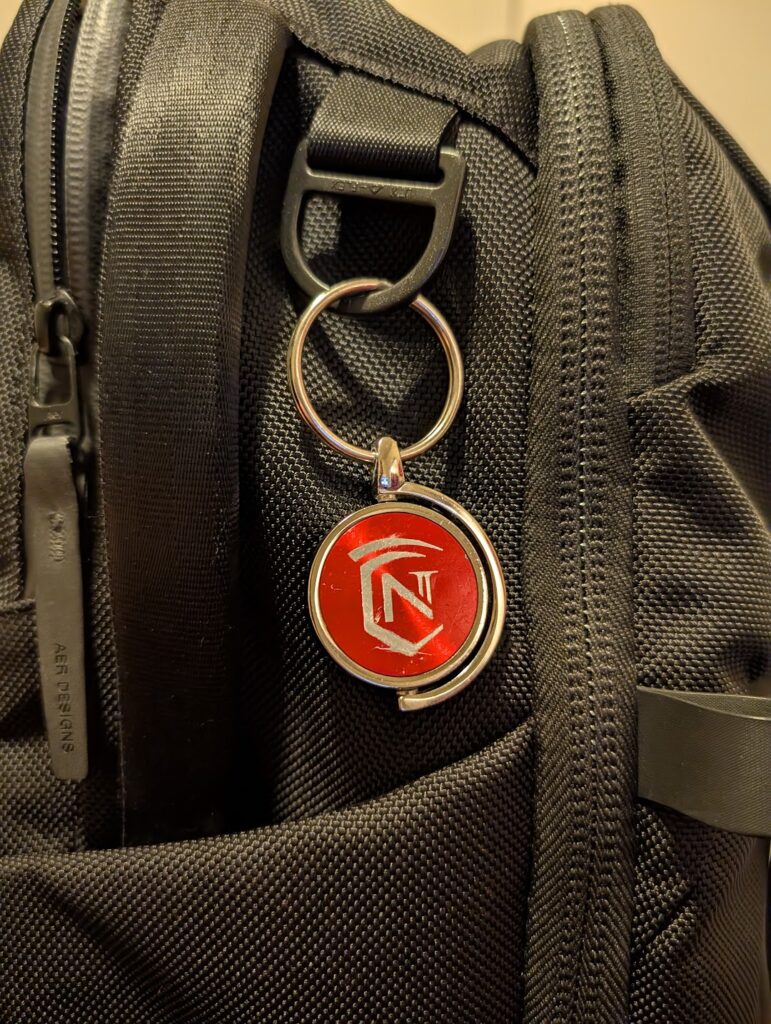
Attached to my backpack is a red keychain from Normandale Community College, stamped with its “N” symbol on one side and “TRIO” on the other. It’s scratched up from grinding against my keys in my front pocket. I keep it there not just to stay connected to a special place but to represent my journey out of imposter syndrome.
Growing up low-income, being a first-gen student, and having a disability, I spent years thinking I wasn’t meant for great things or that my efforts would always go unnoticed. That all changed the moment I was accepted to Normandale. Majoring in communications to chase my passion for writing and eventually pursue journalism at the University of Minnesota, I found a community that shifted my entire sense of self.
I didn’t just show up to class every day. I got involved, eventually becoming a student ambassador and giving campus tours to newcomers. Wearing their swag wasn’t just me grabbing clothes for another day, but a symbol of pride for a place that made me feel seen.
I lived in Normandale’s swag by representing its values of caring, curiosity and commitment, from its red T-shirts to sweatshirts and jackets. It was my authentic expression to everyone who walked through the college that my door is always open. Sitting behind the campus front desk in my bright red gear, I assisted prospective students through the admissions and orientation process while helping current students get connected to resources. I also embraced the swag when I spoke at events and wore it so often that some people mistook me for staff.
I was even awarded a specialty button for “most likely to wear Normandale red.”
To me, the swag signifies the confidence, leadership and ability I developed there to help me realize my true potential.
Even after graduating with my associate degree in May 2025, my Normandale clothing remains a permanent part of my wardrobe.
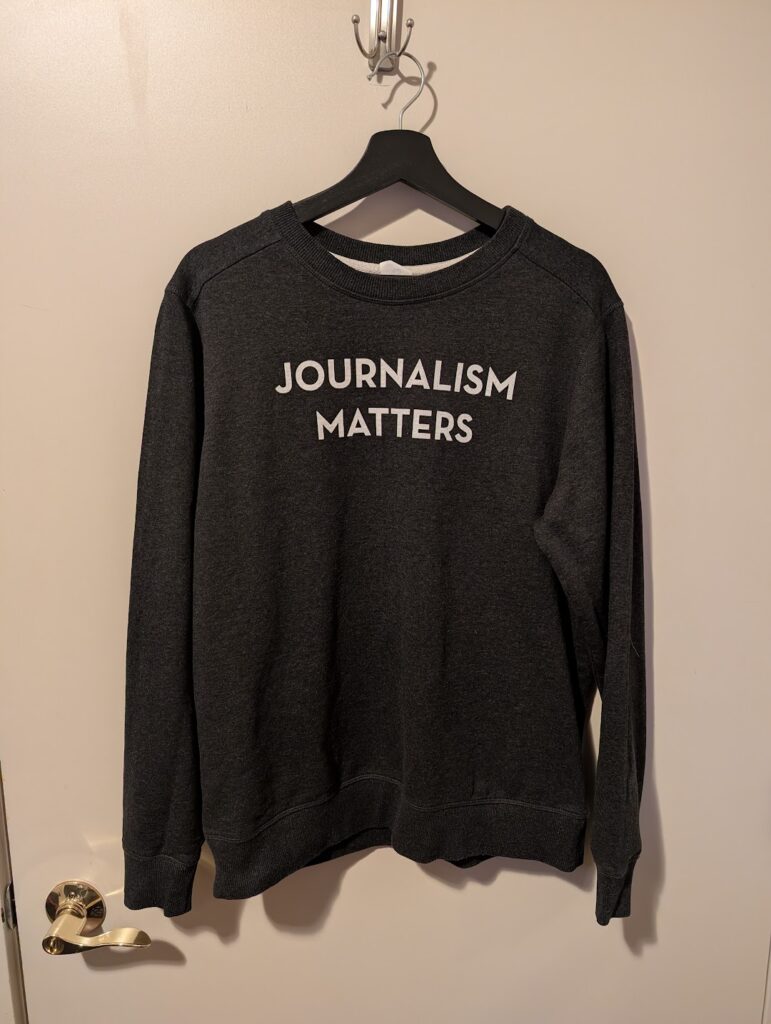
Midway through my first semester at the University of Minnesota, when I was accepted into the journalism major at the Hubbard School of Journalism & Mass Communication, I began to buy and wear the swag it offered, such as the College of Liberal Arts’ classic “We Are Liberal Arts” T-shirt or a charcoal gray sweatshirt with “Journalism Matters” written in white across the chest. But on a campus with almost 58 thousand students as of fall 2025, the swag that meant the most was from the First-Gen Student Success Center. It was a big adjustment from the close-knit community at Normandale to a massive campus in the heart of Minneapolis. I needed that first-gen community. I’m not alone in this transition.
According to the center’s recent data, about 27% of UMN undergrads are first-gen, and 40% of transfer students are also first-gen. Many of them feel as if they don’t belong.
Imposter syndrome is defined as an intense feeling of intellectual inauthenticity or feeling like a fraud despite having achievements, according to a study of first-gen students. In the study’s findings, first-gen students in STEM college majors felt more likely to experience feelings of imposter phenomenon in competitive environments as opposed to ones that are more collaborative. The connotations associated with imposter syndrome determined how well first-gen students performed in college, whether it’s grades, engagement and attendance.
I always try to wear their student-created “First-Gen Proud” T-shirts and beanies to show that being first-gen stands for incredible potential while acknowledging systemic barriers.
When I wear it, I’m telling everyone I’m writing my own story, that as a first-gen student, I am as capable as anyone else. I’m terrified every day about not having a future, but wearing that shirt gives me hope. It reminds me I’m not alone in navigating imposter syndrome many first-gen students feel.
The reality is that I won’t always be able to rely on swag to carry me through. Right now, this enclothed cognition I have attached to my college swag, whether from Normandale or the University of Minnesota acts as my training wheels — similarly to when a superhero relying on a suit realizes that their worth was inside them all along. Once that mindset becomes permanent for me, I won’t need to rely on branded logos or fabric to boost my confidence or prove that I belong.
After I graduate with my bachelor’s degree in fall 2027, I will preserve the swag I have in my closet and keep that red keychain I received from my TRIO adviser, a program that provides intense support for students who are first-gen, low-income and have a disability like me, attached to my backpack or maybe even briefcase, carrying my journey with me everywhere I go.